
Interactive NetLab Tutorials & Hands-On Network Labs
Hands-on interactive NetLab guides to configure core gateway routing, dynamic routing, 802.1Q VLAN switching, firewall NAT, and troubleshoot networks directly in your browser.
Connecting Two Switches with an Access Uplink
Expand office networks by cascading two access switches with a straight-through copper uplink cable. Discover how MAC address tables propagate frames across switch boundaries while keeping local host communication transparent.
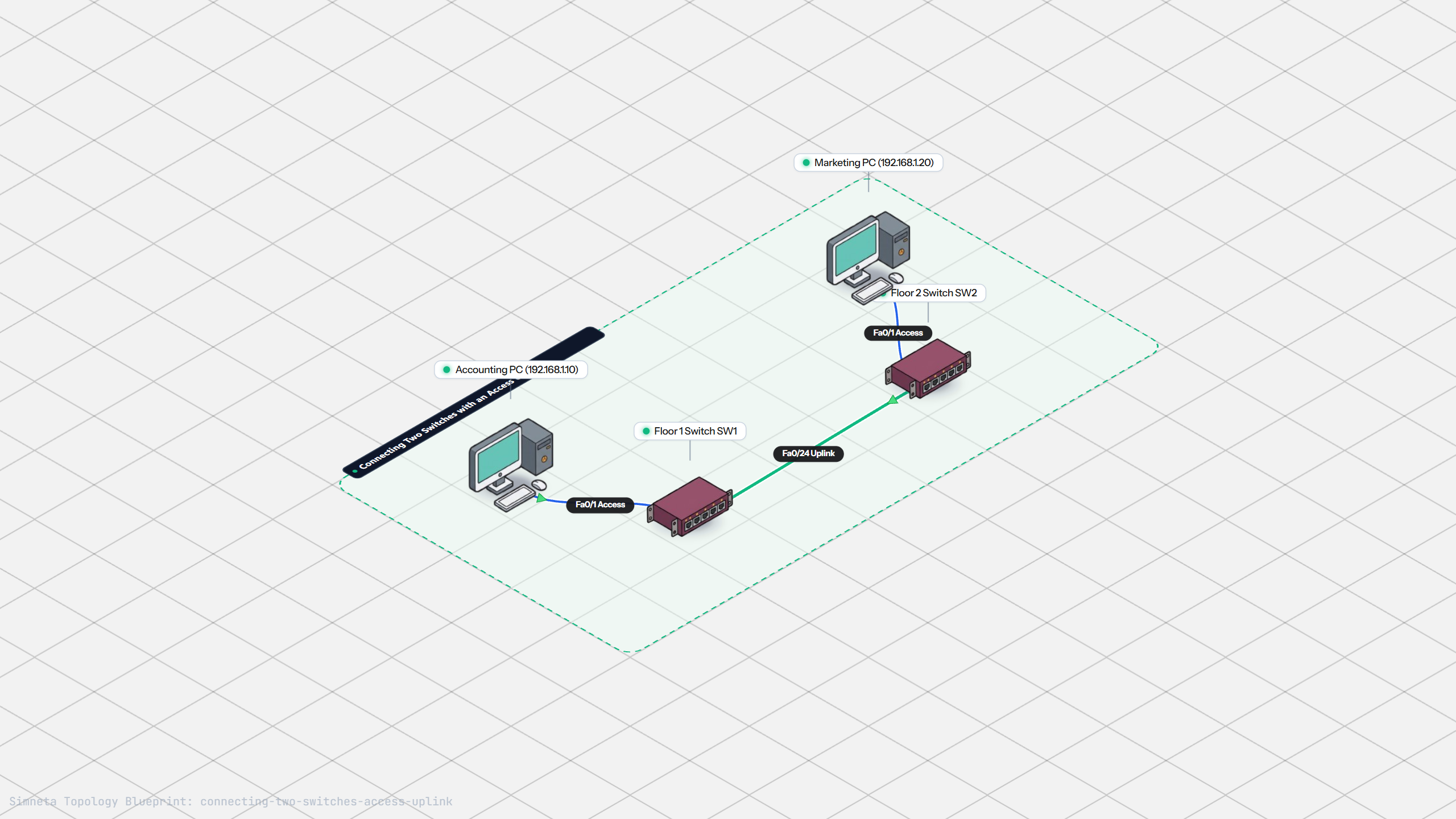
Connecting Two Switches with an Access Uplink
Expand office networks by cascading two access switches with a straight-through copper uplink cable. Discover how MAC address tables propagate frames across switch boundaries while keeping local host communication transparent.
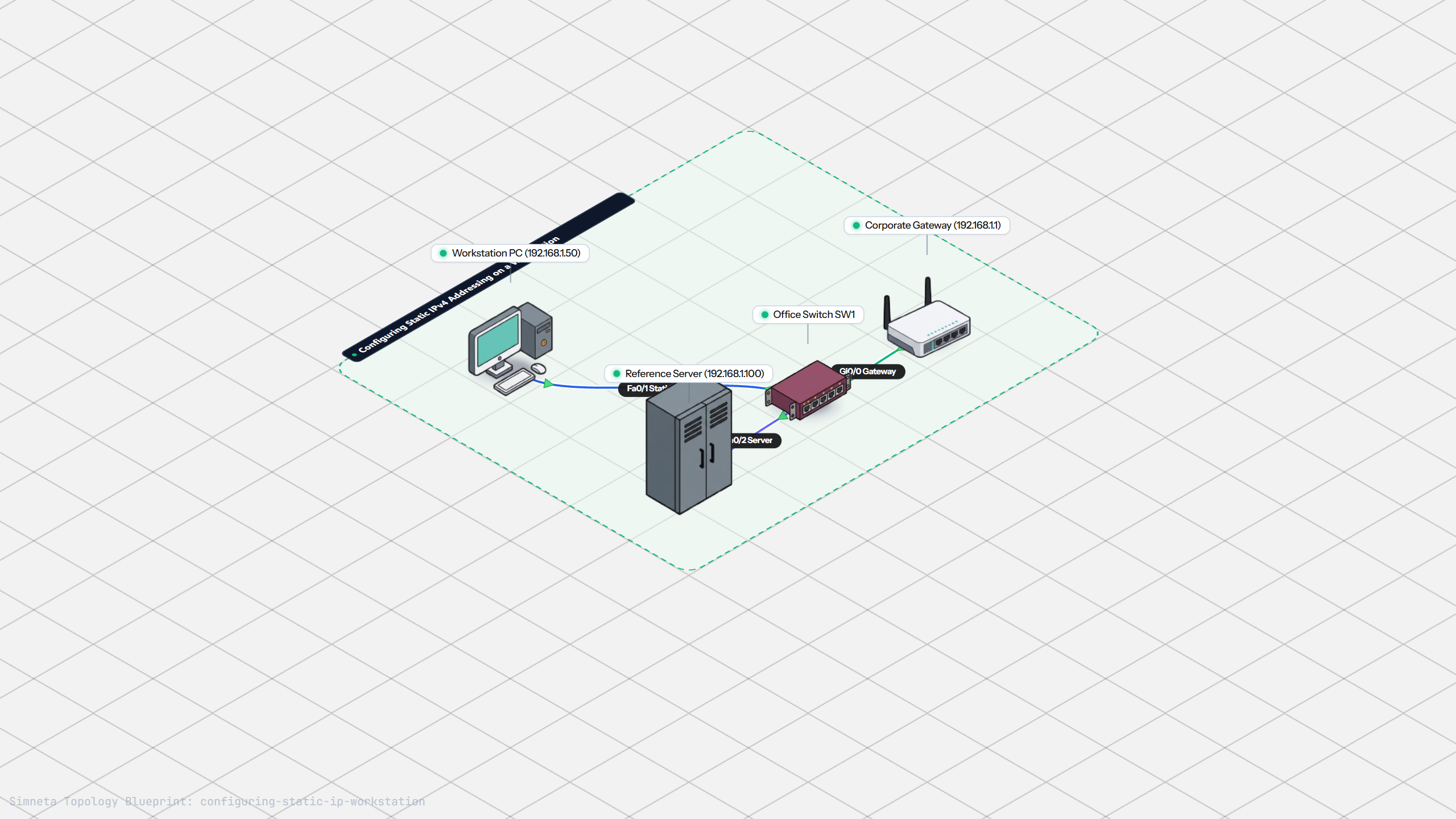
Configuring Static IP on Workstation
Master the fundamentals of host IPv4 network configuration. Learn how to manually assign an IP address, configure a matching subnet mask, set up the default gateway, and verify network connectivity using command line diagnostic tools.
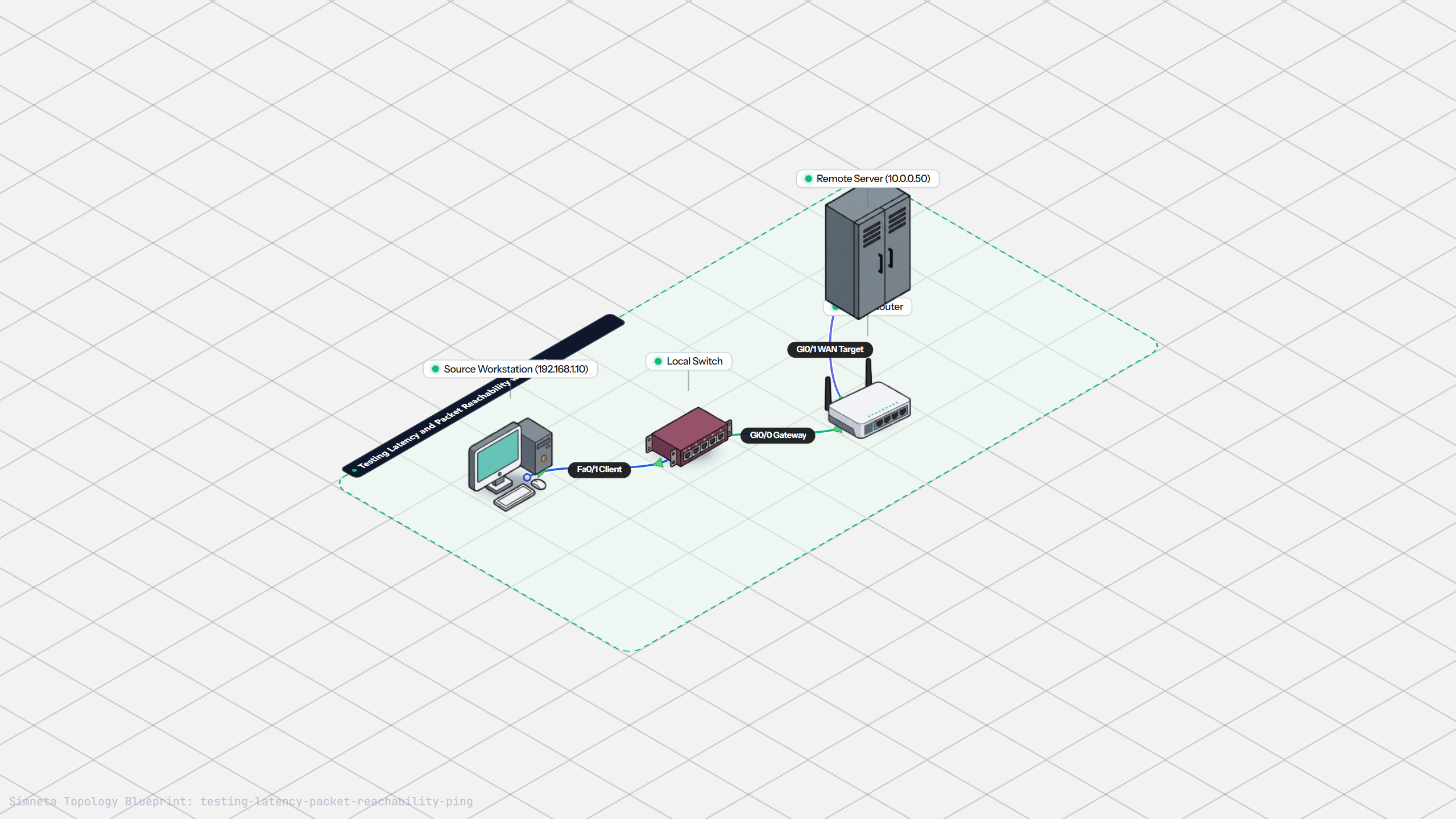
Testing Reachability and Latency with Ping
Master ICMP echo testing across local and routed networks. Learn how to interpret round-trip time latency, calculate packet loss percentages, inspect Time to Live (TTL) hop counters, and differentiate between network timeouts and host unreachability.
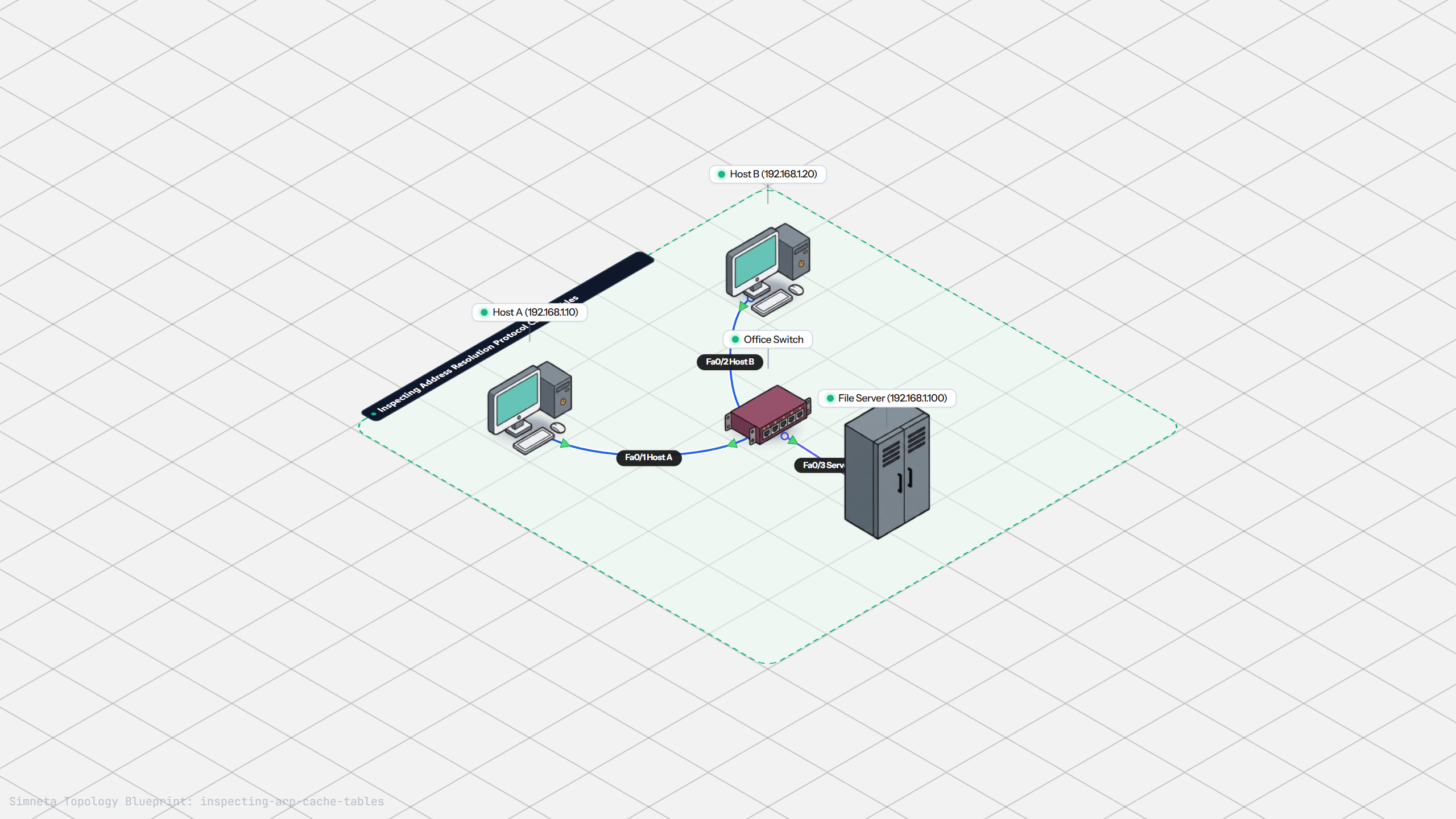
Inspecting ARP Cache Tables
Uncover the critical bridge between Layer 3 logical addressing and Layer 2 physical delivery. Discover how computers use ARP broadcasts to discover MAC addresses, inspect the operating system ARP cache table, and observe dynamic entry timeouts.
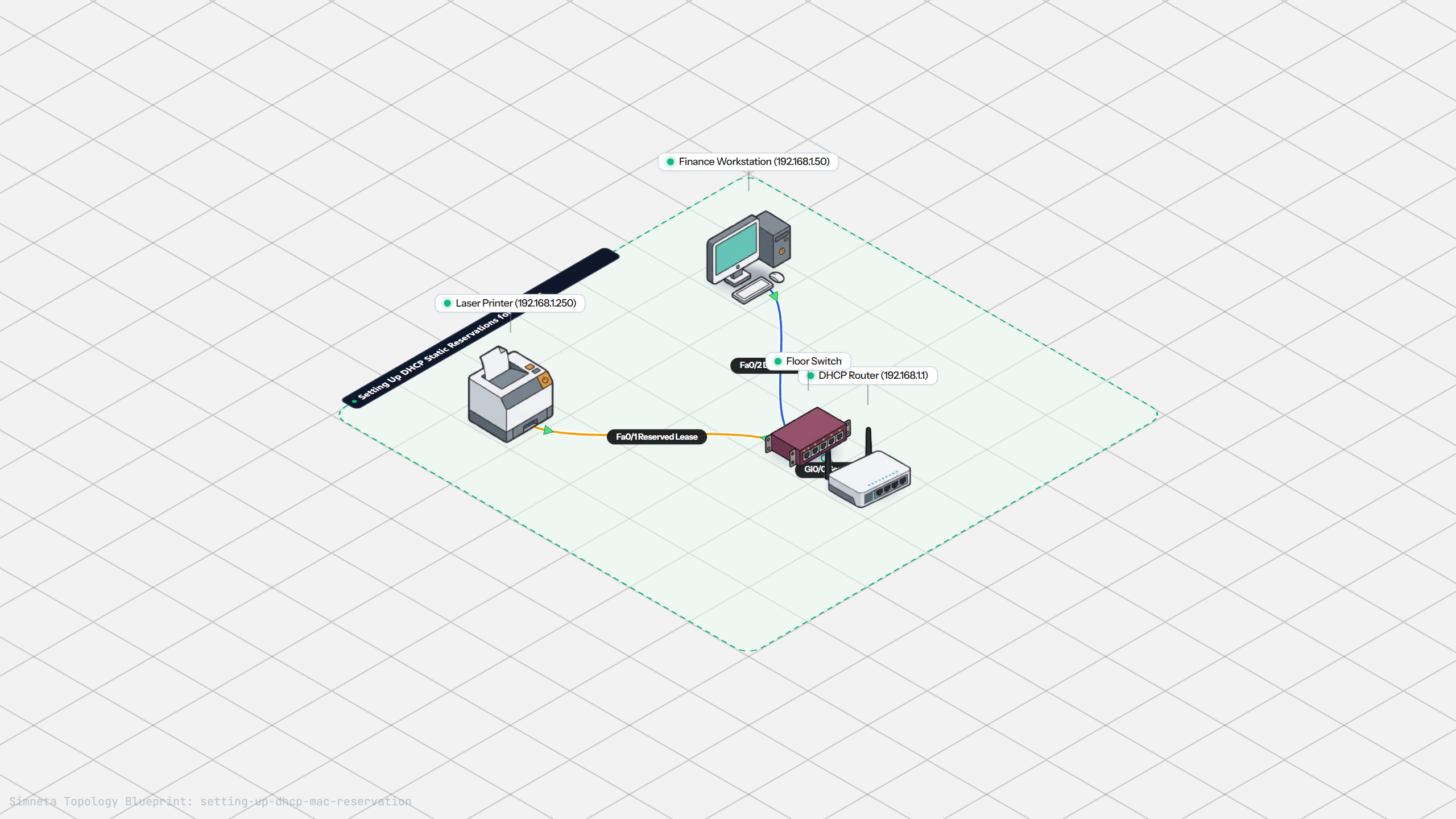
Setting Up DHCP Static Reservations
Stop office printing drops by binding physical MAC addresses to reserved IP leases on a central DHCP server. Ensure shared office equipment always receives the exact same predictable IP address without manual client configuration.
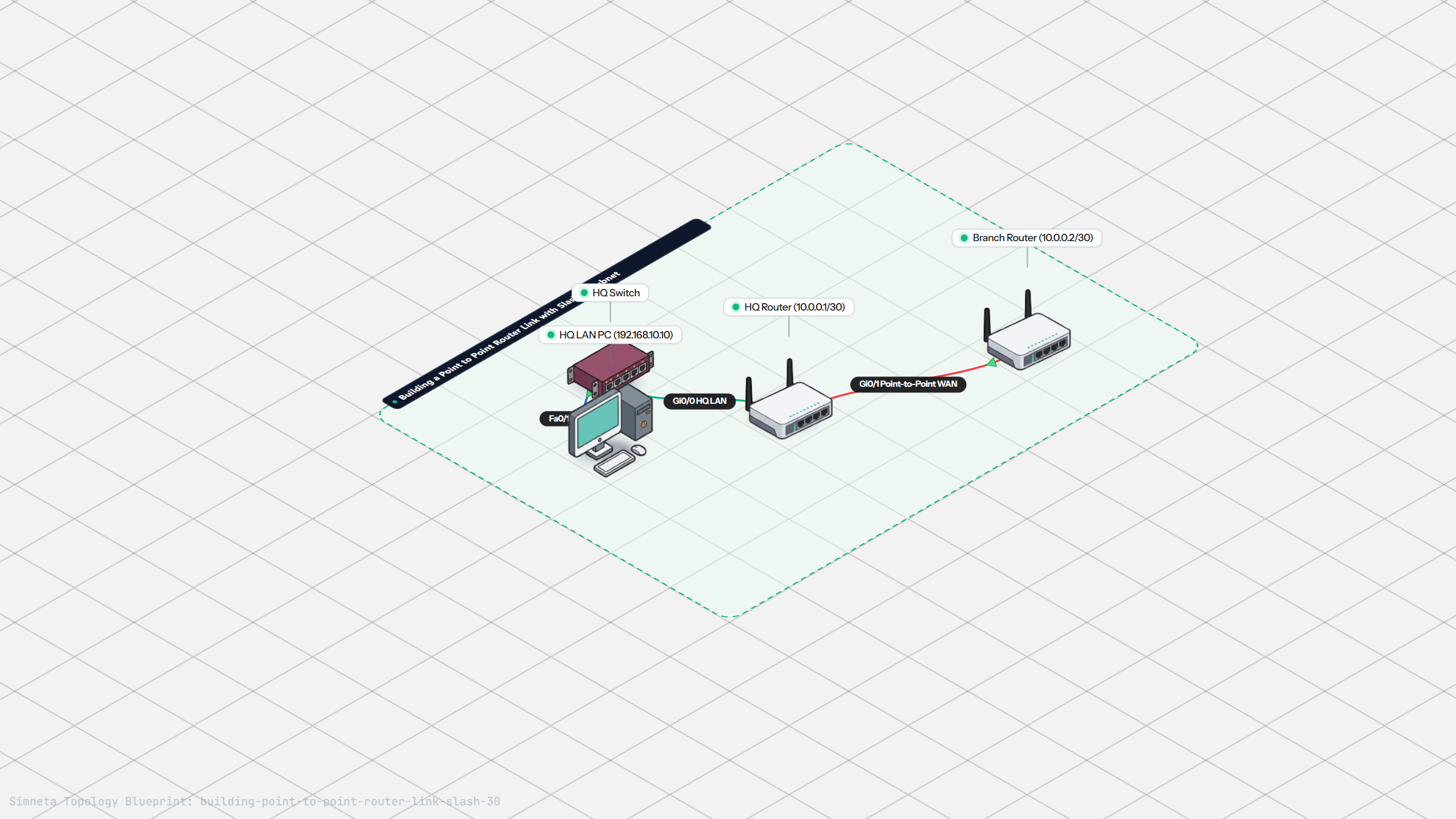
Connecting Routers with /30 Subnet
Conserve valuable IPv4 address space across wide area network links. Learn how a 30-bit subnet mask provides exactly two usable host addresses, configure router interconnect interfaces, and test point-to-point IP connectivity.
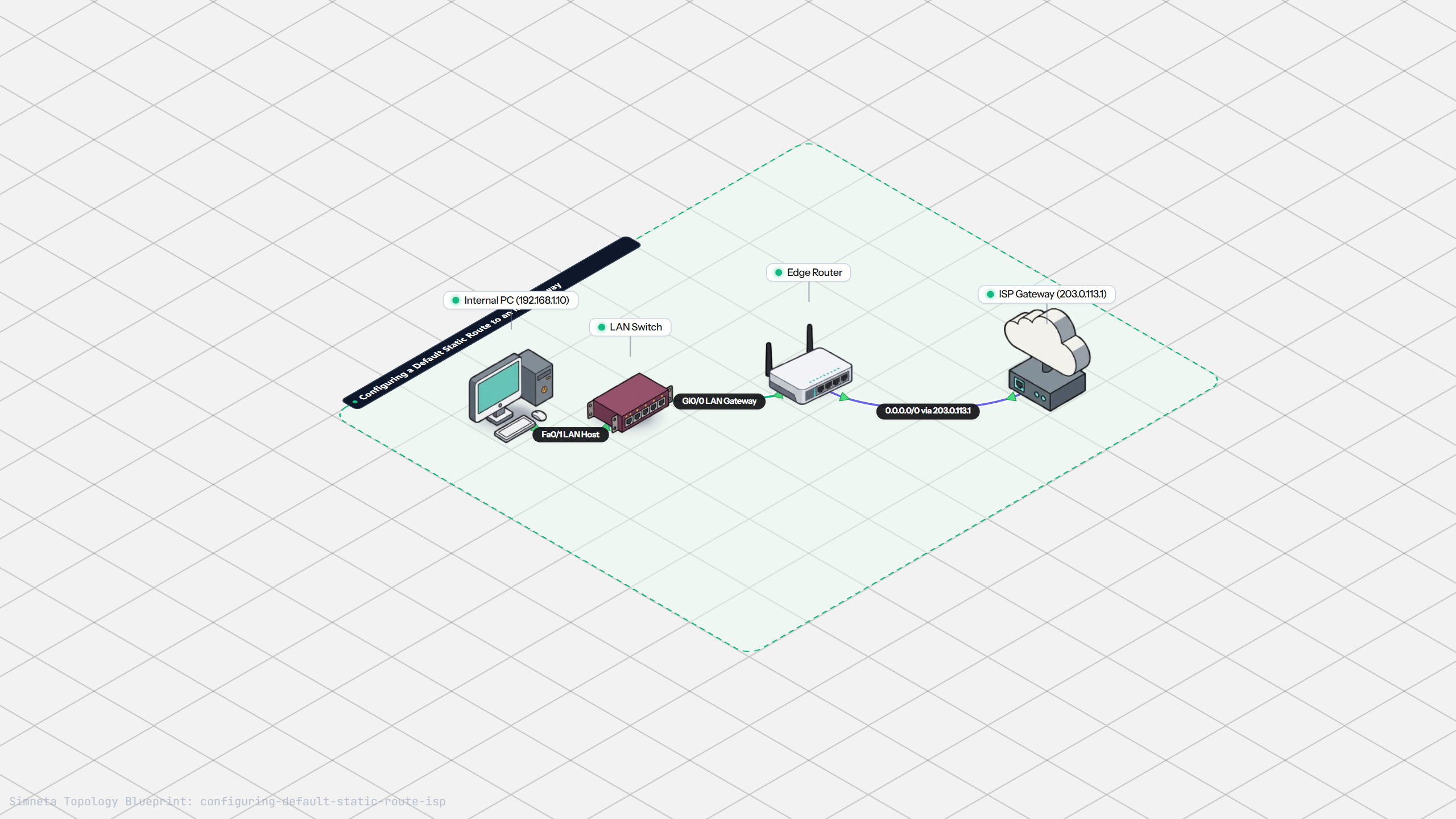
Configuring Default Static Route to ISP
Master the gateway of last resort. Discover how a quad-zero static route enables edge routers to forward all unknown internet traffic upstream toward an Internet Service Provider gateway without bloating local routing tables.
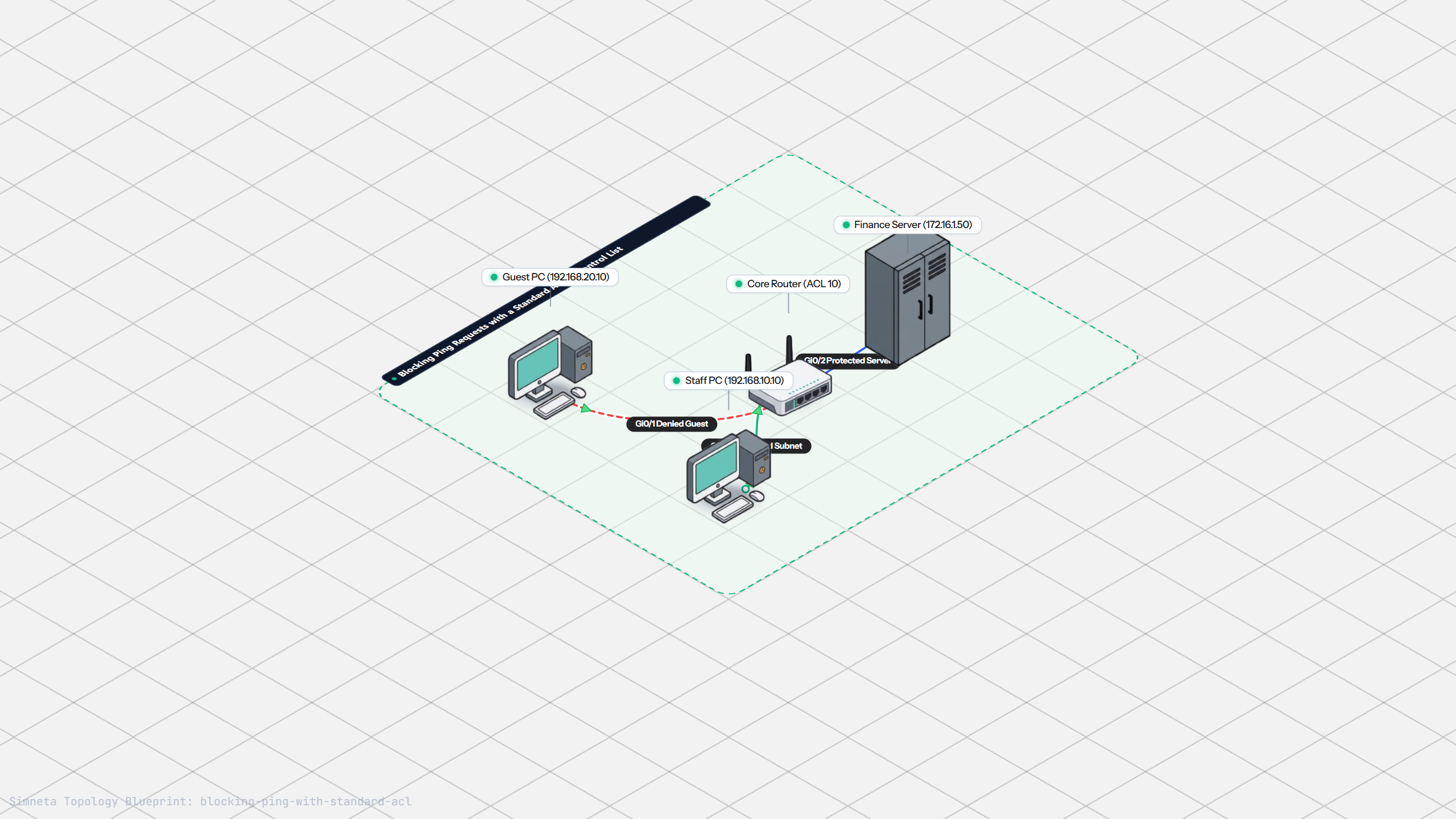
Blocking Ping with Standard ACL
Protect sensitive network hosts by deploying packet filtering. Learn how to create a numbered Standard Access Control List (ACL) on a router interface to restrict unauthorized source IP addresses while maintaining legitimate traffic flow.
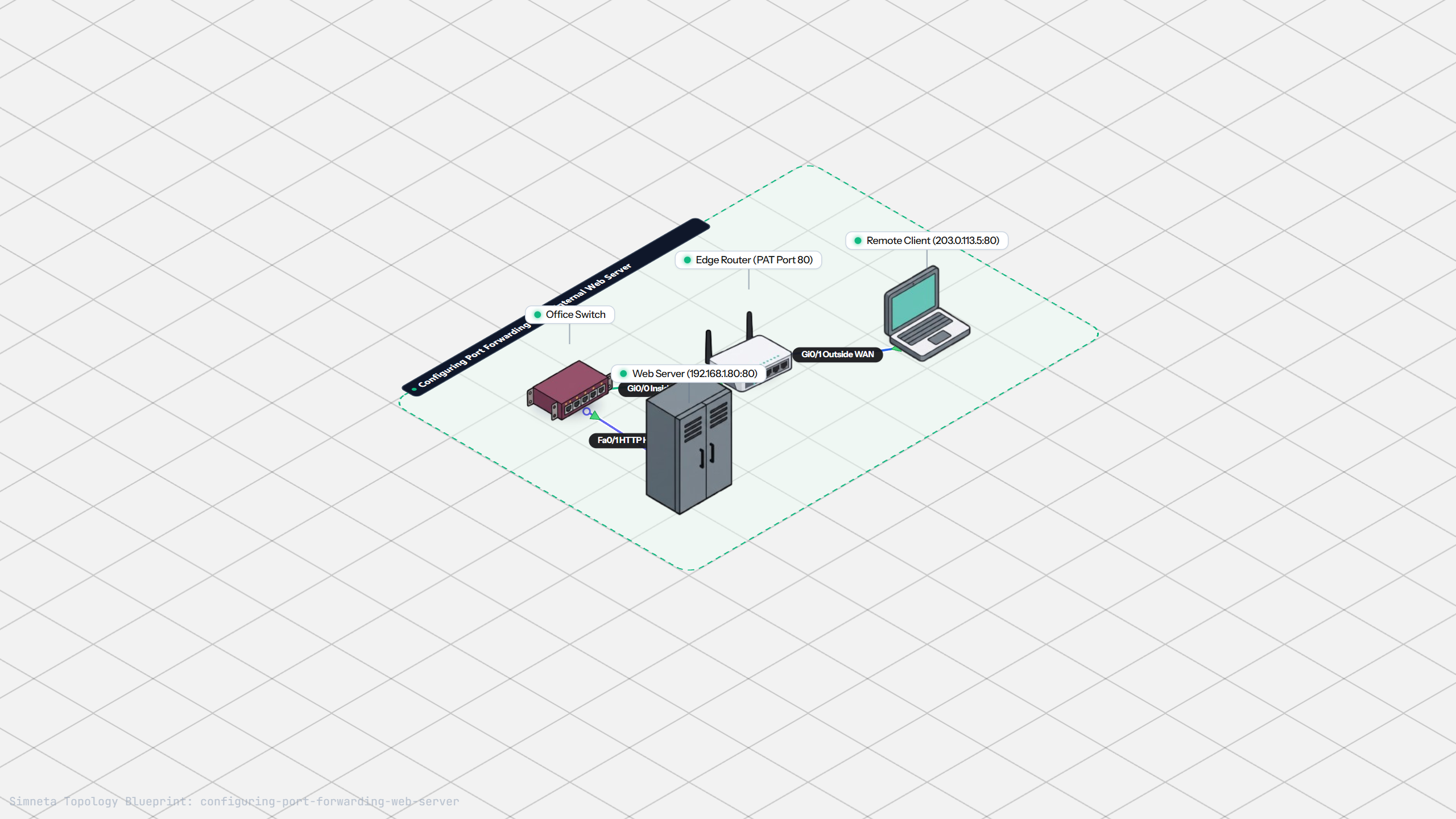
Port Forwarding for Web Servers
Publish internal private network services to external clients across the internet. Master static Port Address Translation (PAT) by mapping an edge router public WAN port to an internal web server private IP address and port.
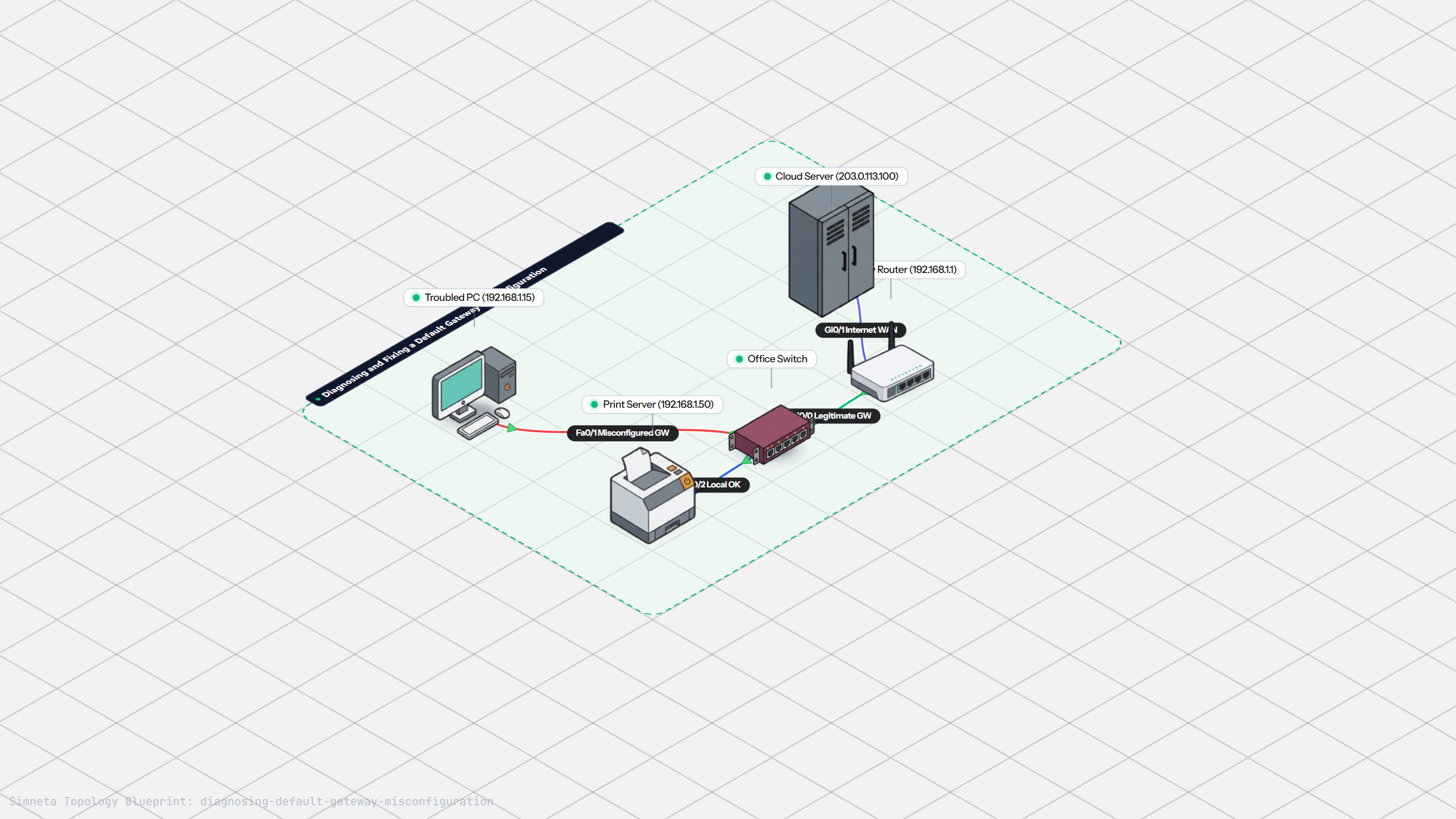
Fixing Default Gateway Misconfigurations
Master practical network troubleshooting techniques. Follow a structured diagnostic methodology to identify why a client computer can communicate locally on the office switch but fails to access external servers due to a faulty default gateway setting.
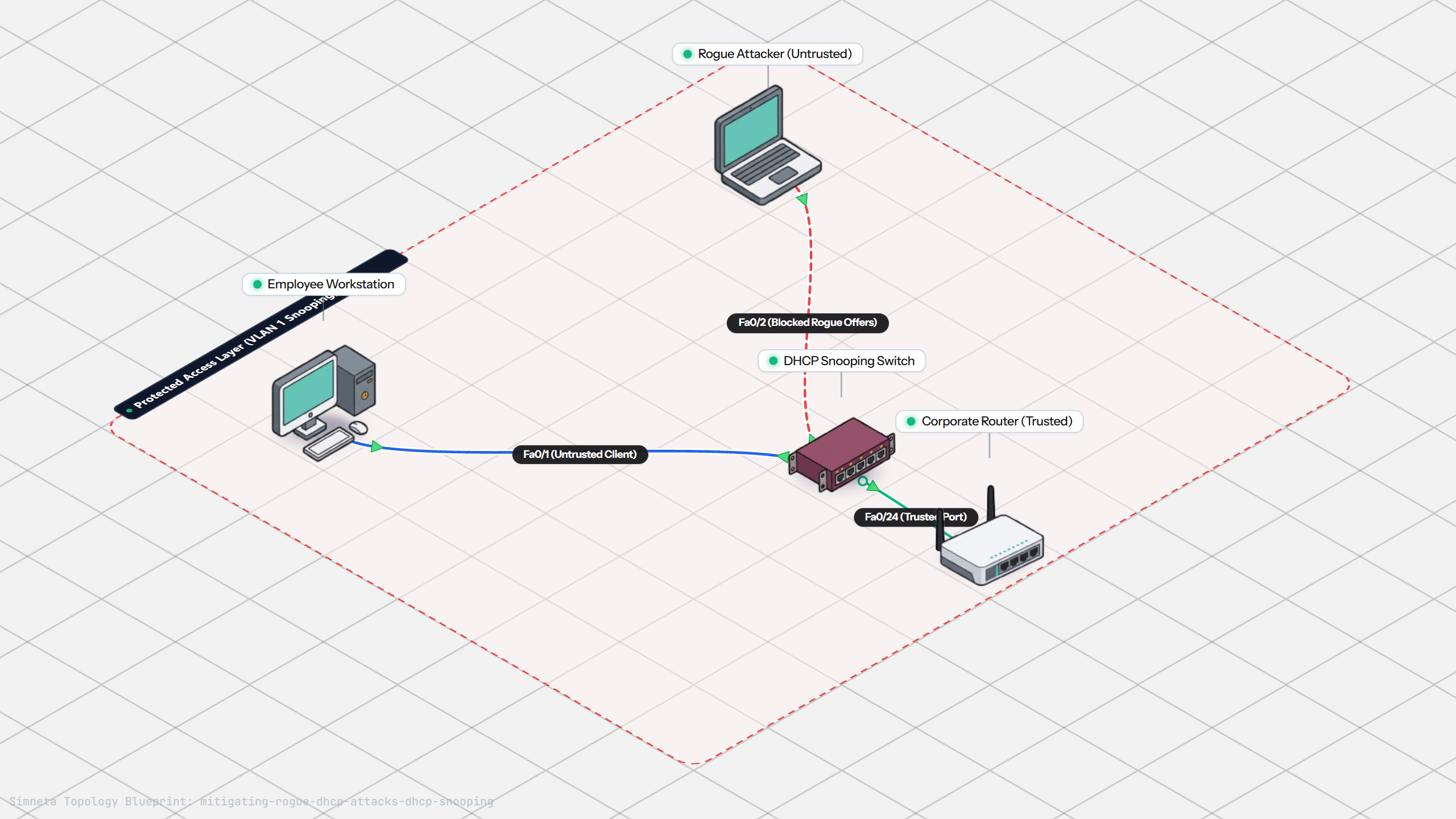
Stopping Rogue DHCP with Snooping
Stop rogue DHCP servers from hijacking your local area network. Configure Cisco DHCP Snooping by defining trusted uplink ports and untrusted access ports to block man-in-the-middle attacks.
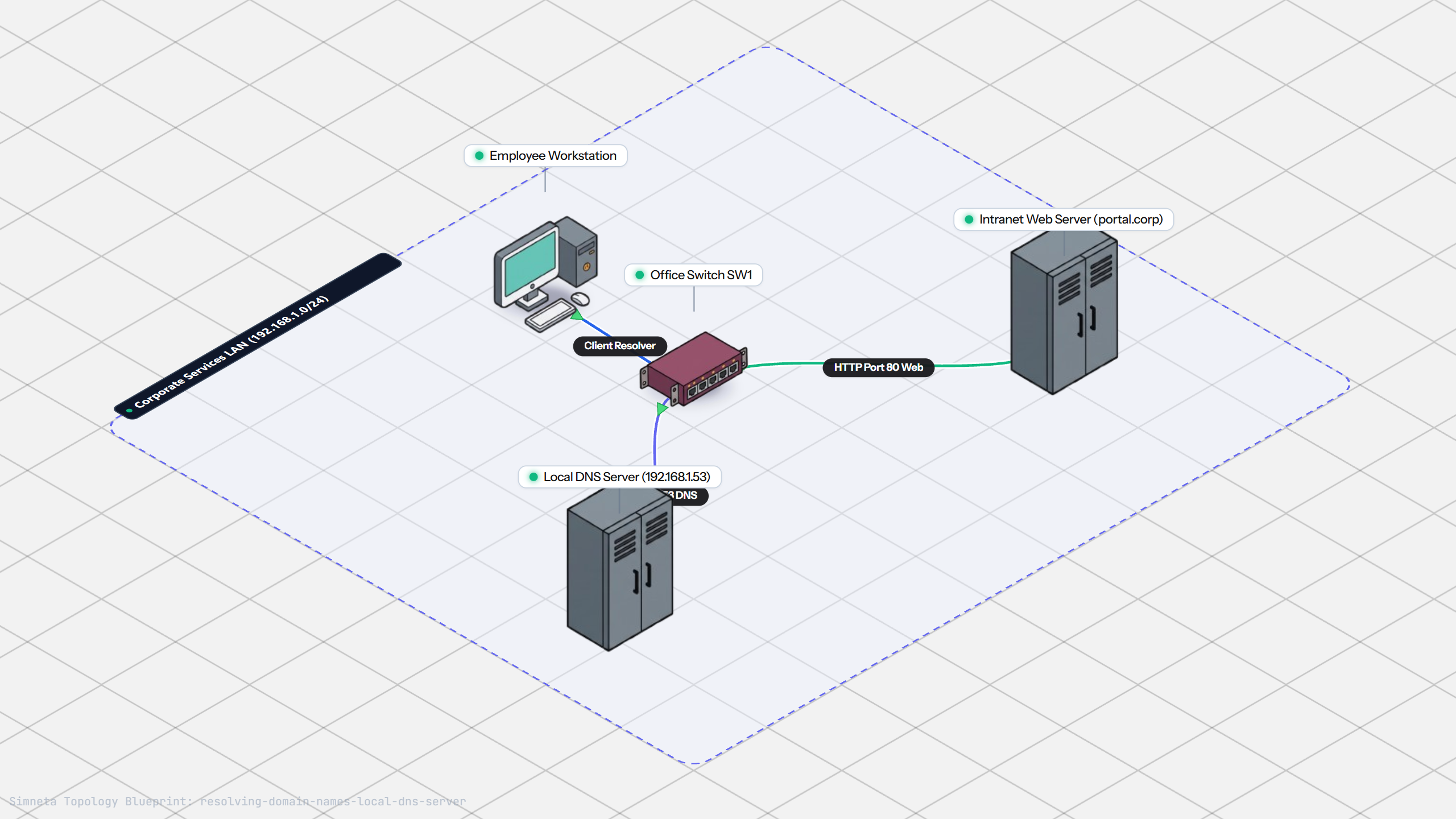
Resolving Domain Names with Local DNS
Stop memorizing complex numerical IP addresses. Deploy a dedicated local DNS server, configure custom A-records and CNAME aliases, and verify real-time name resolution using nslookup.
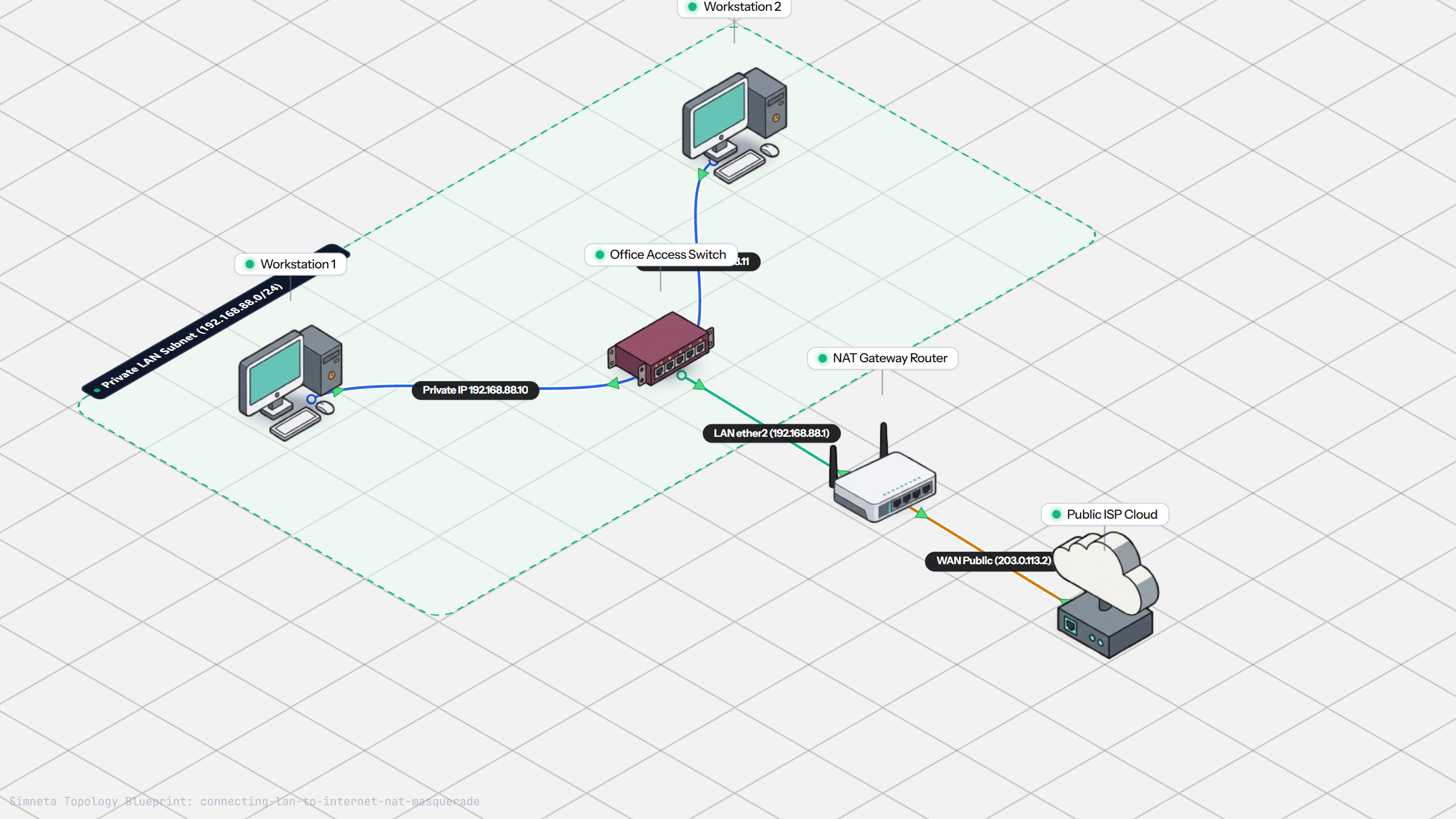
Connecting LAN to Internet with NAT
Learn how Network Address Translation (NAT Masquerade) allows multiple computers on a private local network to share a single public IP address to access the internet securely.
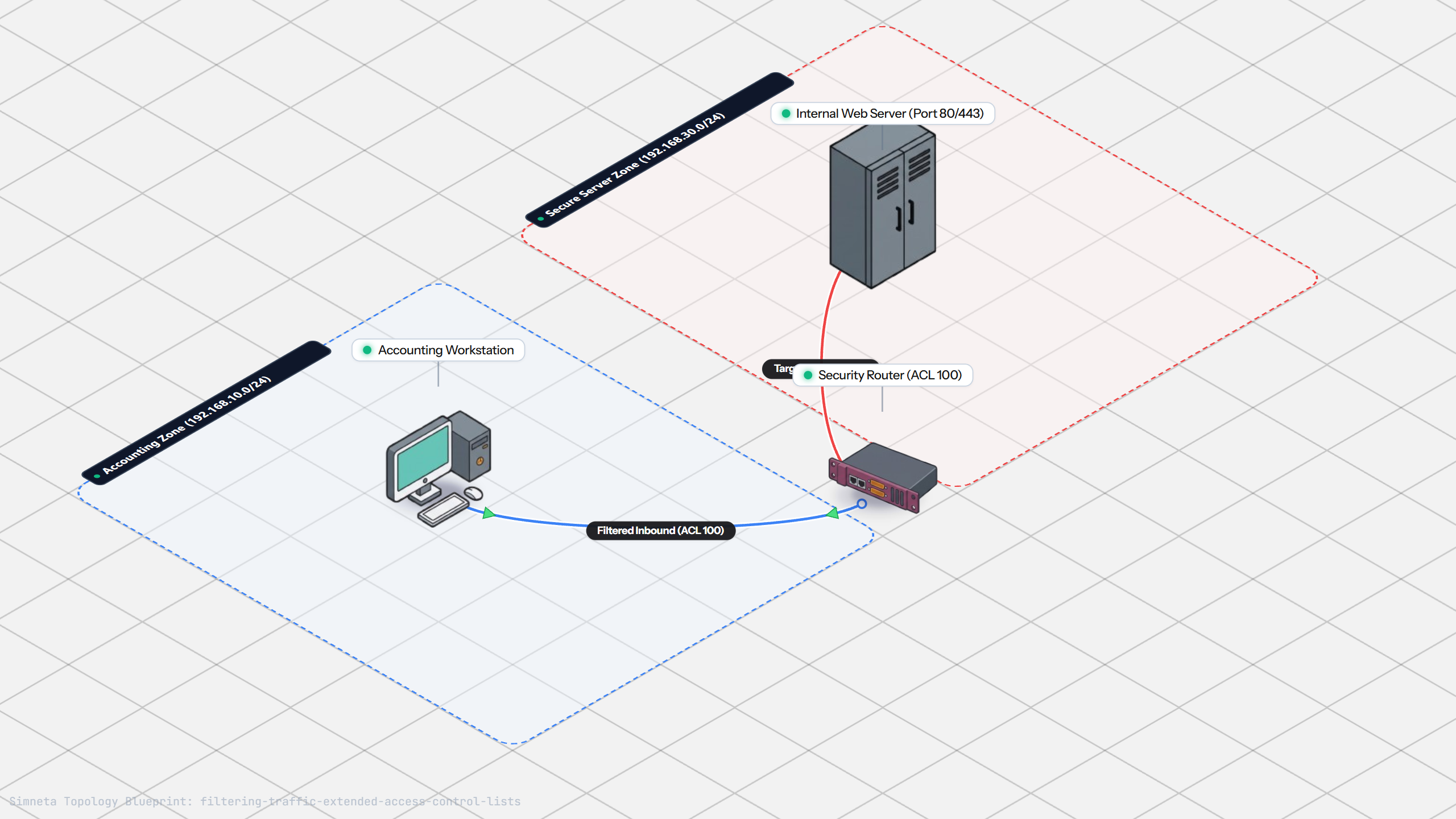
Filtering Traffic with Extended ACLs
Lock down your corporate perimeter. Configure Cisco Extended Access Control Lists (ACLs) to permit web traffic while blocking unauthorized ping, Telnet, and internal management access.
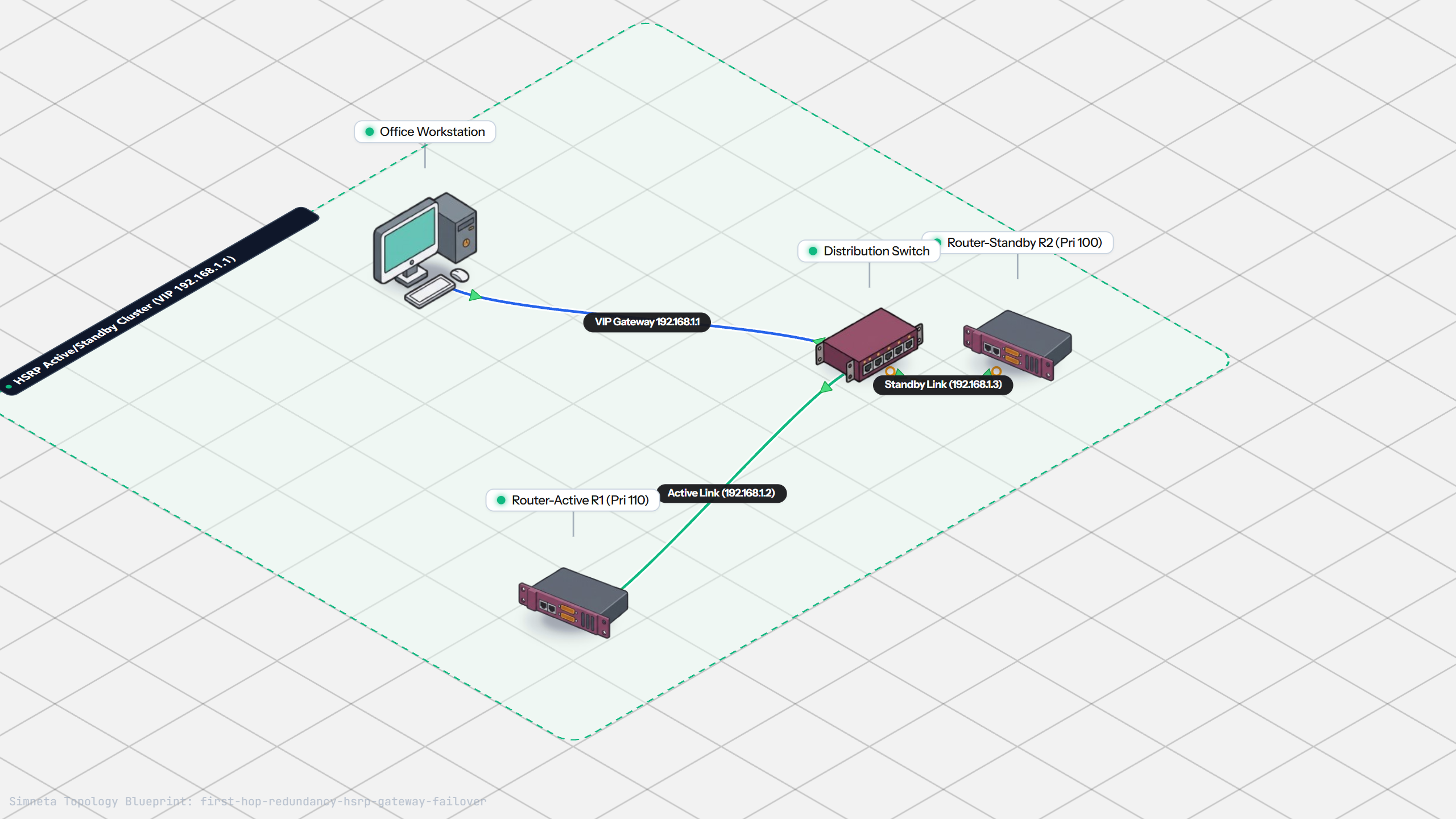
Gateway Redundancy with HSRP Failover
Prevent office-wide network outages when your primary router crashes. Configure Cisco Hot Standby Router Protocol (HSRP) with virtual IP default gateway failover and priority preemption.
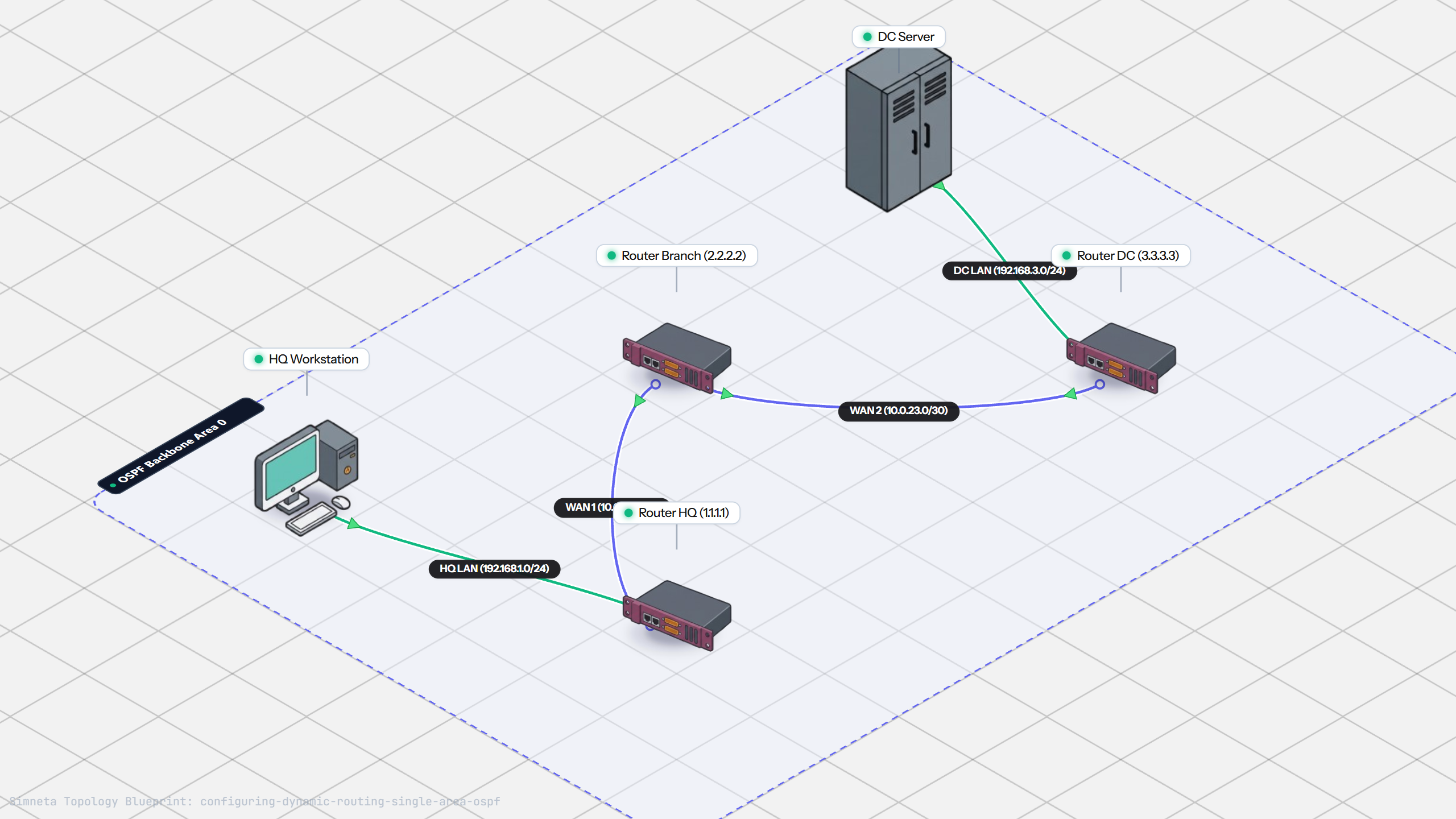
Dynamic Routing with Single-Area OSPF
Scale your enterprise network effortlessly. Configure Single-Area OSPFv2 on Cisco routers, master wildcard masks, and verify dynamic route convergence around network link failures.
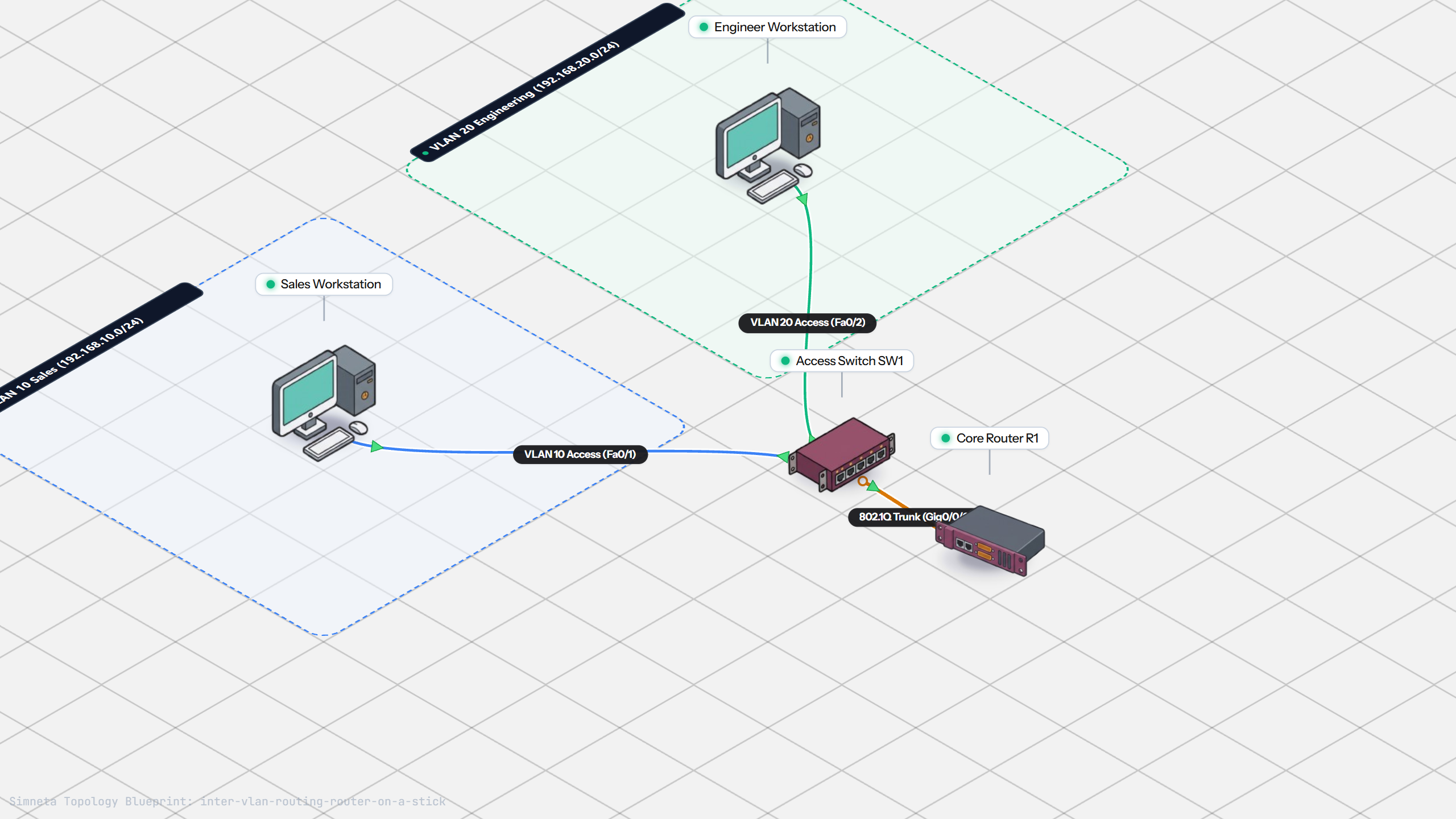
Inter-VLAN Routing with Router-on-a-Stick
Learn how to route traffic between isolated VLANs using a single physical cable. Configure 802.1Q trunking on a Layer 2 switch and create virtual sub-interfaces on a Cisco router to enable smooth Inter-VLAN routing.
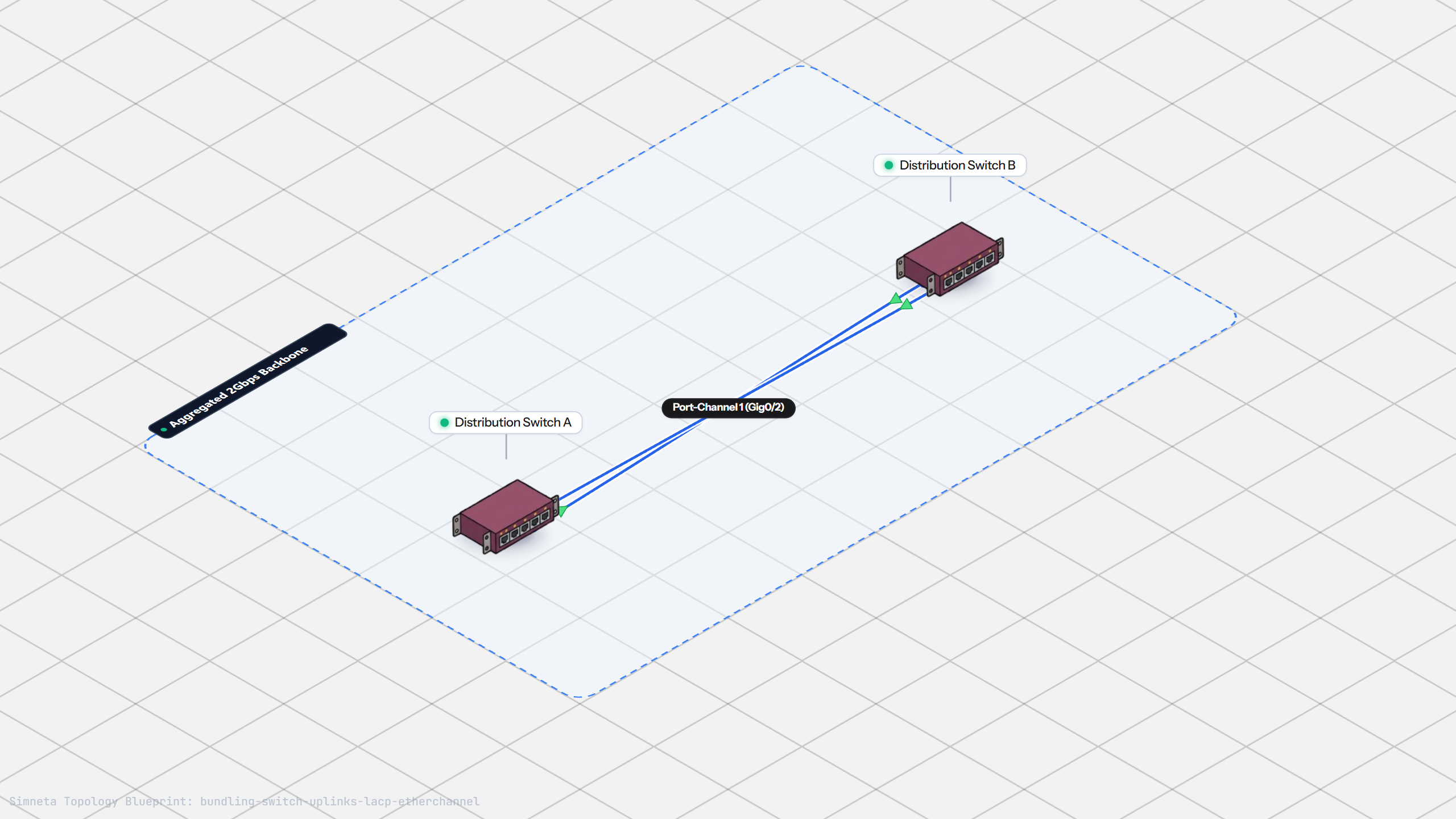
Bundling Switch Uplinks with LACP EtherChannel
Eliminate backbone bandwidth bottlenecks between enterprise switches. Combine multiple physical Ethernet links into a single logical port-channel using open-standard Link Aggregation Control Protocol (LACP).
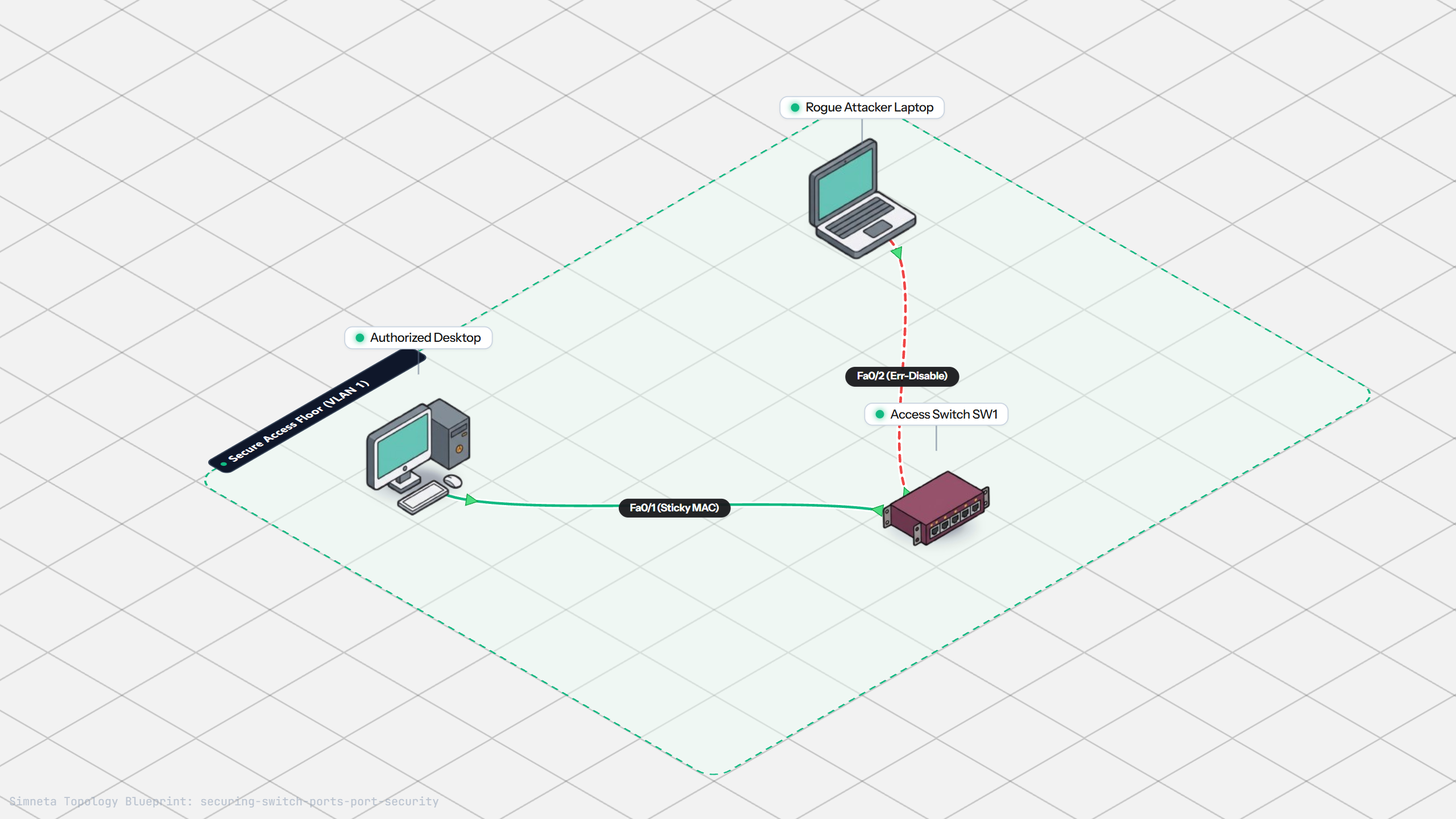
Securing Switch Ports with Port Security
Protect your enterprise local area network from rogue devices. Configure Cisco switch port security with sticky MAC learning and shutdown violation mode to isolate unauthorized computers automatically.
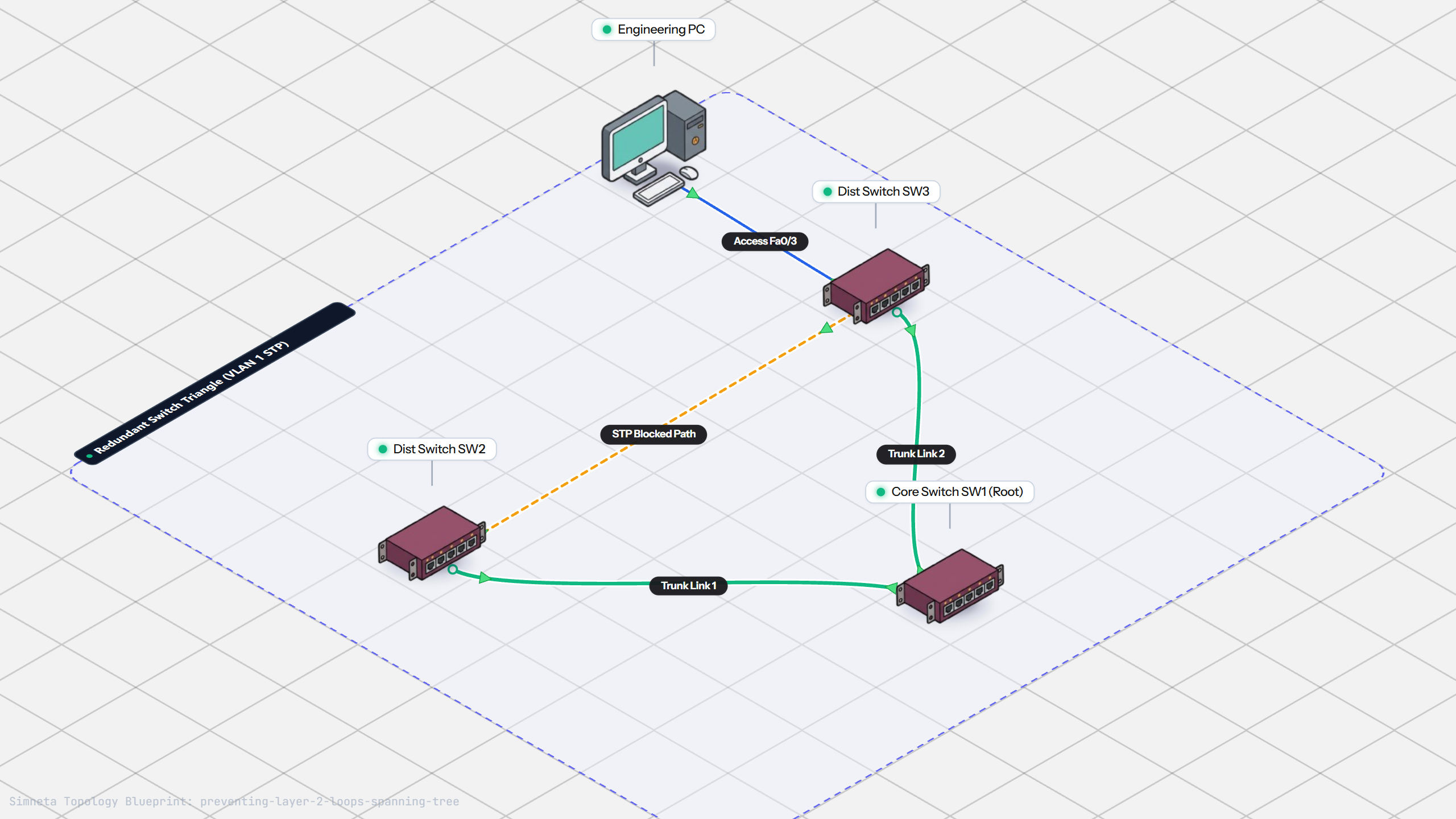
Preventing Loops with Spanning Tree
Learn how the Spanning Tree Protocol (STP) eliminates severe broadcast storms in redundant network designs by electing a Root Bridge and placing duplicate links into an alternate blocking state.
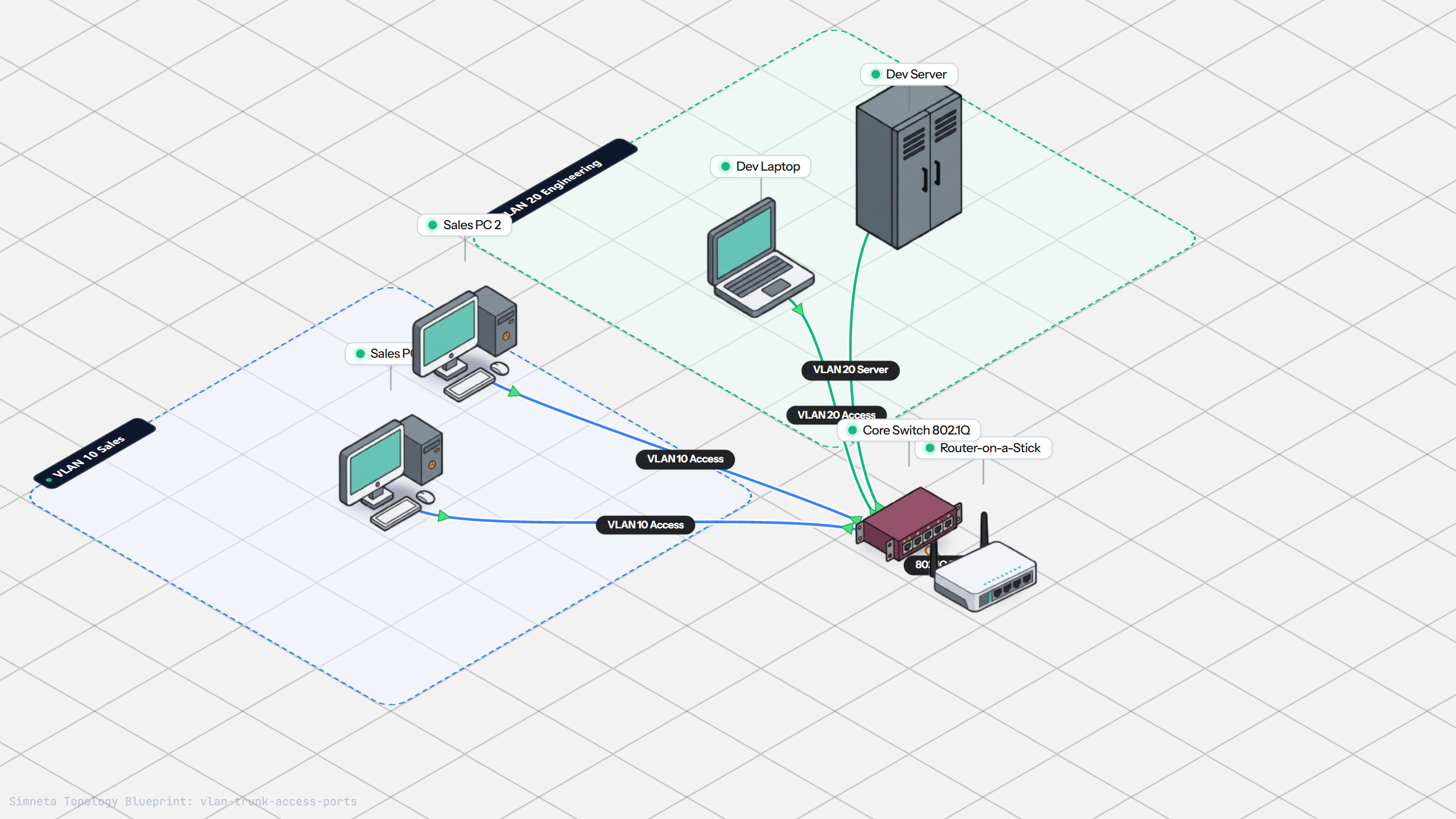
VLAN Trunking with 802.1Q
Learn enterprise network segmentation using Virtual Local Area Networks. Segment Engineering and Sales departments into isolated broadcast domains, configure an 802.1Q trunk link between two switches, and verify that VLAN boundaries enforce security and stop broadcast storms.
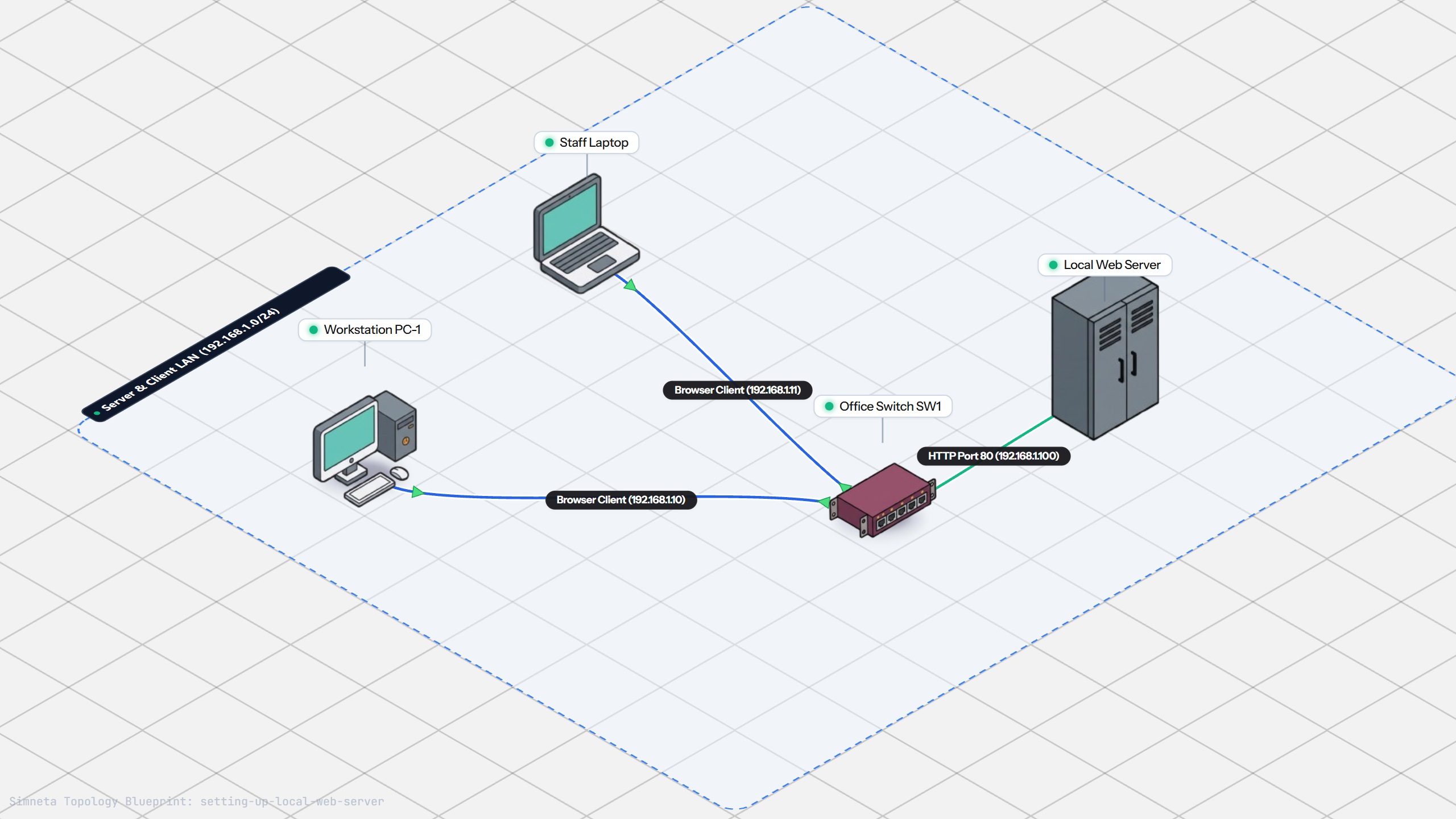
Setting Up a Local Web Server
Learn how the Client-Server model powers modern computer networks. Deploy an enterprise Linux intranet server, configure static IP addressing, wire workstations through an access switch, and trace TCP three-way handshakes and HTTP port 80 requests across the wire.
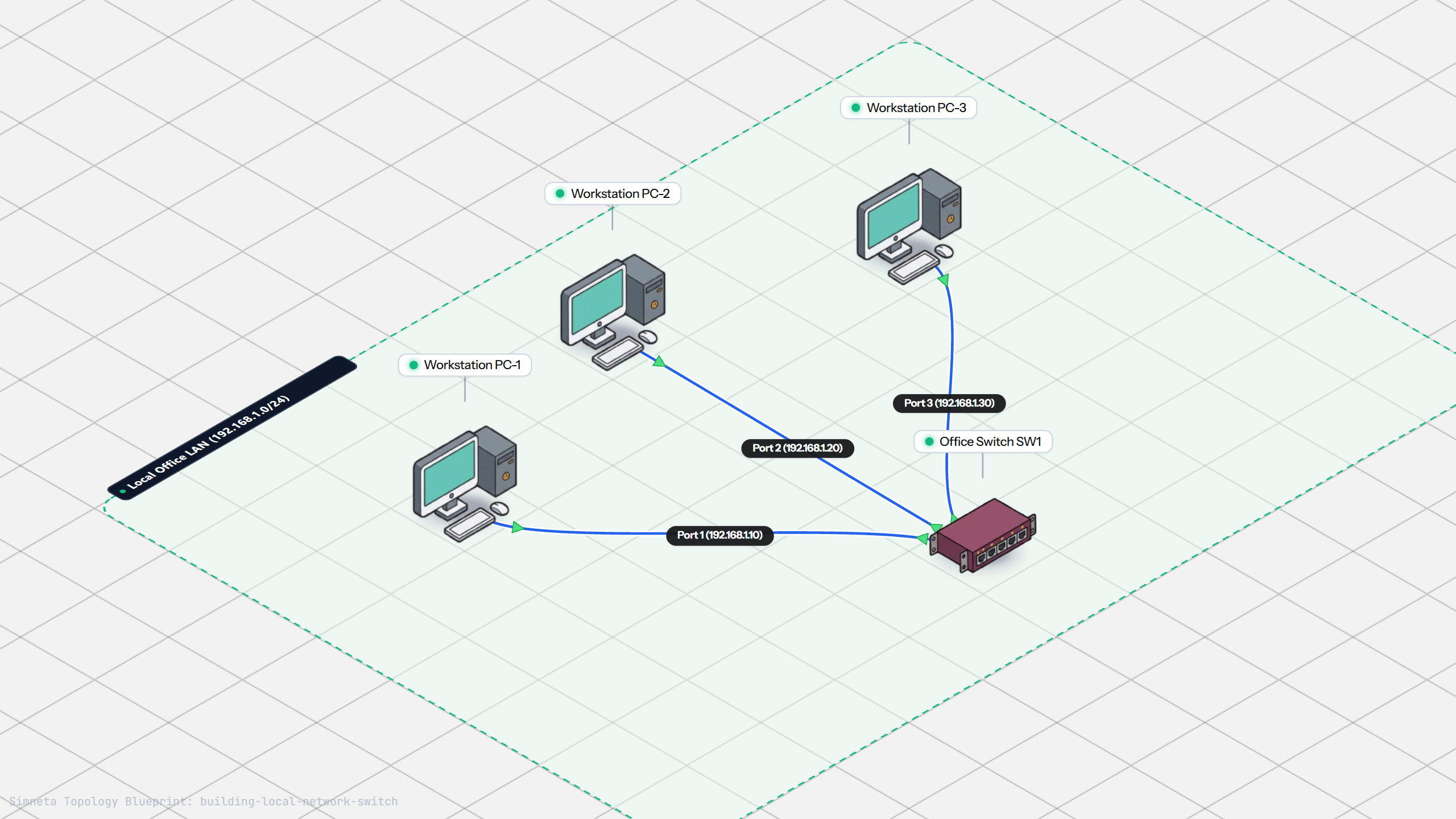
Building a Local Office LAN with a Switch
Learn how to scale beyond direct cables by designing a star-topology Local Area Network. Connect multiple workstations to a centralized Layer 2 switch, configure static addressing across a shared /24 subnet, and learn how switches learn MAC addresses to forward frames without collisions.